How has CGI changed Filmmaking?

Updated: May 30
Over the past few decades, filmmaking has been transformed by Computer Generated Imager (CGI). What was once used for small visual enhancements now plays a vital role to how films are made. According to research published in Film and Philosophy, CGI has fundamentally “transformed filmmaking” by creating visuals that were previously impossible to achieve.
One of the biggest advantages of CGI is its ability to create entire worlds digitally. Research from the Animation Studies Journal shows that filmmakers can now construct fully digital environments and characters. For example, an entire digital ecosystem was created for Avatar, while Avengers: Endgame used CGI for large battle scenes. This has allowed genres such as sci-fi and fantasy to dominate filmmaking.


CGI hasn’t just changed visuals but also how films are produced. Industry analysis from PremiumBeat explains that CGI allows filmmakers to “design anything imaginable,” reducing the need for physical sets and dangerous stunts.
Data also shows that CGI usage in films has increased by 229% over the past decade and revenue from CGI-heavy films has risen by 400%. This demonstrates that CGI is not just a creative tool but also a major economic driver within the film industry.
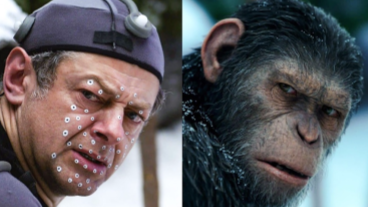
Despite these advantages, CGI has also introduced new issues. PremiumBeat notes that modern filmmaking often relies on a “fix it in post” approach, where issues during filming are left to be solved later with CGI. This can lead to rushed visual effects, lower-quality results and less focus on storytelling and more in favour of the visuals. As a result, audiences sometimes feel that films prioritise spectacle over substance.

Interestingly, despite technological advances, some modern CGI is criticised for looking less realistic. Industry research suggests this is due to increased number of effects shots per film, tighter production deadlines, and greater reliance on post-production. In other words, the problem is not the technology but how it us being used.

CGI continues to evolve with new technologies. Recent research into virtual production shows that films are now using real-time digital environments during filming rather than adding effects later in post-production. This means that CGI is becoming part of filming itself and the line between real and digital is becoming increasingly blurred.
Overall, CGI has fundamentally changed filmmaking by expanding creative possibilities, increasing virtual realism and transforming production methods. However, the evidence shows a clear balance: although it enables innovation and large-scale storytelling, poor use can weaken storytelling and overuse can reduce realism. Ultimately, CGI is not the problem – the way the industry uses it is. It seems that if studios prioritise speed, scale, and spectacle, the debate around CGI will likely continue.
References
Dromm, K. (2020). CGI and Affective Responses to Narrative Films. Film and Philosophy, 24, pp.156–174. doi:https://doi.org/10.5840/filmphil20202410.
Anon, (n.d.). Animation Studies – The Peer-reviewed Open Access Online Journal for Animation History and Theory – ISSN 1930-1928. [online] Available at: https://journal.animationstudies.org.
Baker, L. (2022). What is CGI? How Reality and CGI Blend in Films. [online] The Beat: A Blog by PremiumBeat. Available at: https://www.premiumbeat.com/blog/what-is-cgi-in-film/.


rổ phim dạo này thấy bạn bè nhắc hoài nên mình cũng ghé thử cho biết. Mình không có thời gian ngồi đọc giới thiệu dài dòng, chủ yếu xem giao diện có dễ dùng không thôi. Vào cái là thấy trang khá sáng sủa, lướt xuống là gặp ngay mấy khối “phim mới” với “phim hay” đặt ở chỗ dễ nhìn nên tìm nhanh hơn mình tưởng. Mình cũng thích cái chỗ họ ghi chất lượng kiểu HD 4K ngay trên thẻ phim, nhìn phát biết luôn để khỏi bấm nhầm bản mờ. Bấm qua lại vài mục thấy mọi thứ sắp xếp gọn, chữ nghĩa rõ ràng, không bị rối mắt. Nói chung trải nghiệm lướt ổn, nhất…
du doan xsmb đang nói tới mốc ngày 3 9 2026 nên mình ghé xem thử cách họ trình bày thôi, không phải kiểu vào là bị ngợp chữ ngay; tiêu đề “Soi cầu MB ngày 3 9 2026” để lớn, nhìn phát biết đúng bài theo ngày, khỏi phải lục nhiều, kéo xuống là thấy phần dự đoán XSMB hôm nay được chia thành mấy khối ngắn, mỗi khối tách ý rõ nên đọc lướt cũng nắm được; mình hay xem trên điện thoại nên đánh giá cao chỗ họ không nhồi quá nhiều đoạn dài liền tù tì, cảm giác đỡ mỏi mắt; nói chung nếu chỉ cần xem nhanh cho đúng ngày thì ổn, vì mấy heading…
kèo nhà cái mình thấy bạn bè nhắc suốt nên cũng bấm vào nghía thử cho biết. Mình không đọc kỹ nội dung đâu, chỉ lướt qua xem trang họ làm có dễ nhìn không. Ấn tượng ban đầu là giao diện khá sáng sủa, khoảng cách giữa các phần vừa đủ nên kéo xuống không bị rối. Mấy khối thông tin được chia tách rõ ràng, nhìn cái là biết đang ở đoạn nào chứ không bị dính chùm vào nhau. Mình cũng để ý thanh menu đặt ngay chỗ dễ thấy nên đổi qua lại mấy mục khá nhanh, không phải mò mẫm. Nói chung kiểu trình bày gọn gàng, nhất là cách họ để menu điều hướng…
Bài viết dễ hiểu, có ví dụ thực tế khá sát nên đọc vào thấy thấm, cảm ơn bạn đã chia sẻ. Dạo này mình cũng hay để ý mấy nền tảng giải trí trực tuyến, chủ yếu xem họ chia chuyên mục và bố cục hiển thị cho người dùng chứ không đi sâu từng trò. Mình gom lại vài chỗ hay xem để tiện tra lại, ai quan tâm thì ghé thử https://www.openrec.tv/user/Soicauxsmbpro/about
Mình xem xổ số kiểu cho vui là chính, coi như thêm chút giải trí chứ không đặt nặng chuyện trúng hay không. Trước đây nghe người ta bàn về mấy “cầu” này nọ, mình cũng nửa tin nửa ngờ, nhưng theo dõi một thời gian thì đôi lúc thấy có vài dạng lặp lại nên cũng tò mò. Mỗi khi đọc nhận định của ai đó, mình thường ghi lại vài ý ngắn gọn rồi sau đó so kết quả, để khỏi bị cảm giác kiểu “biết trước rồi”. Có hôm trúng được chút thì vui thật, nhưng cũng nhiều lần sai bét nên mình tự nhắc là đừng tin tuyệt đối. Thỉnh thoảng mình lướt cho có chuyện…